On my birthday last year the World Wildlife Fund released its 2014 Living Planet Report. The headline was that vertebrate populations around the world have declined by an average of 52% between 1970 and 2010. Happy birthday, Will.
So in my lifetime the number of animals with backbones has declined by more than half.
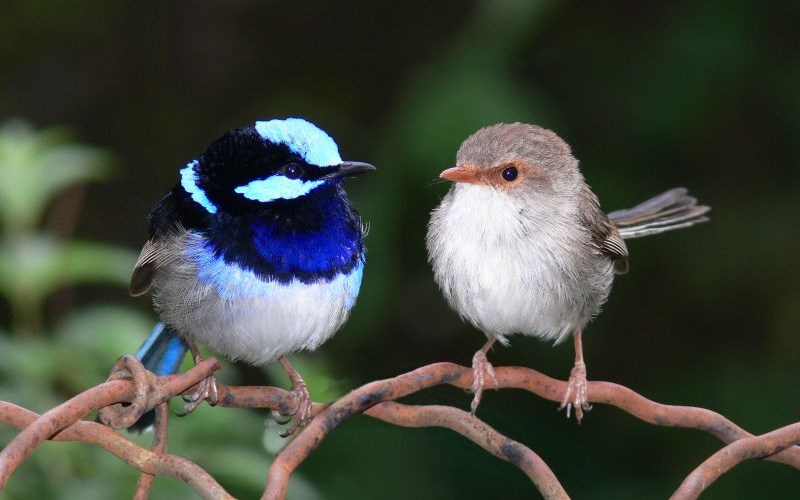
I have been blessed in my lifetime to have grown up spending most of my time in beautiful places and noticing nature. When I was ten I was given my first set of binoculars. Growing up in Mornington and holidaying on the Bellarine I made lists of birds as I saw them. Many of the birds that I saw when I was ten, no longer live in these places. Most of the robins are gone. Whistlers, flycatchers, honeyeaters. A fragment of wading birds remain. Tadpoles and frogs, caterpillars and butterflies, were all staples of growing up in the 1970’s. Not any more. I feel the loss.
Our consumption is trashing a natural world infinitely more fascinating and intricate than the stuff we produce.
This is a moment at which anyone with the capacity for reflection should stop and wonder what we are doing.
If the news that in the past 40 years the world has lost over 50% of its vertebrate wildlife (mammals, birds, reptiles, amphibians and fish) fails to tell us that there is something wrong with the way we live, it’s hard to imagine what could. Who believes that a social and economic system which has this effect is a healthy one? Who, contemplating this loss, could call it progress?
Is this not the point at which we shout stop? At which we use the extraordinary learning and expertise we have developed to change the way we organise ourselves, to contest and reverse the trends that have governed our relationship with the living planet for the past 2m years, and that are now destroying its remaining features at astonishing speed?
Is this not the point at which we challenge the inevitability of endless growth on a finite planet? If not now, when?
George Monbiot
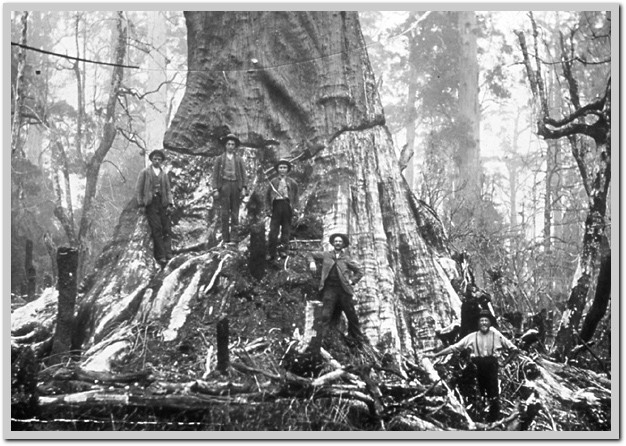
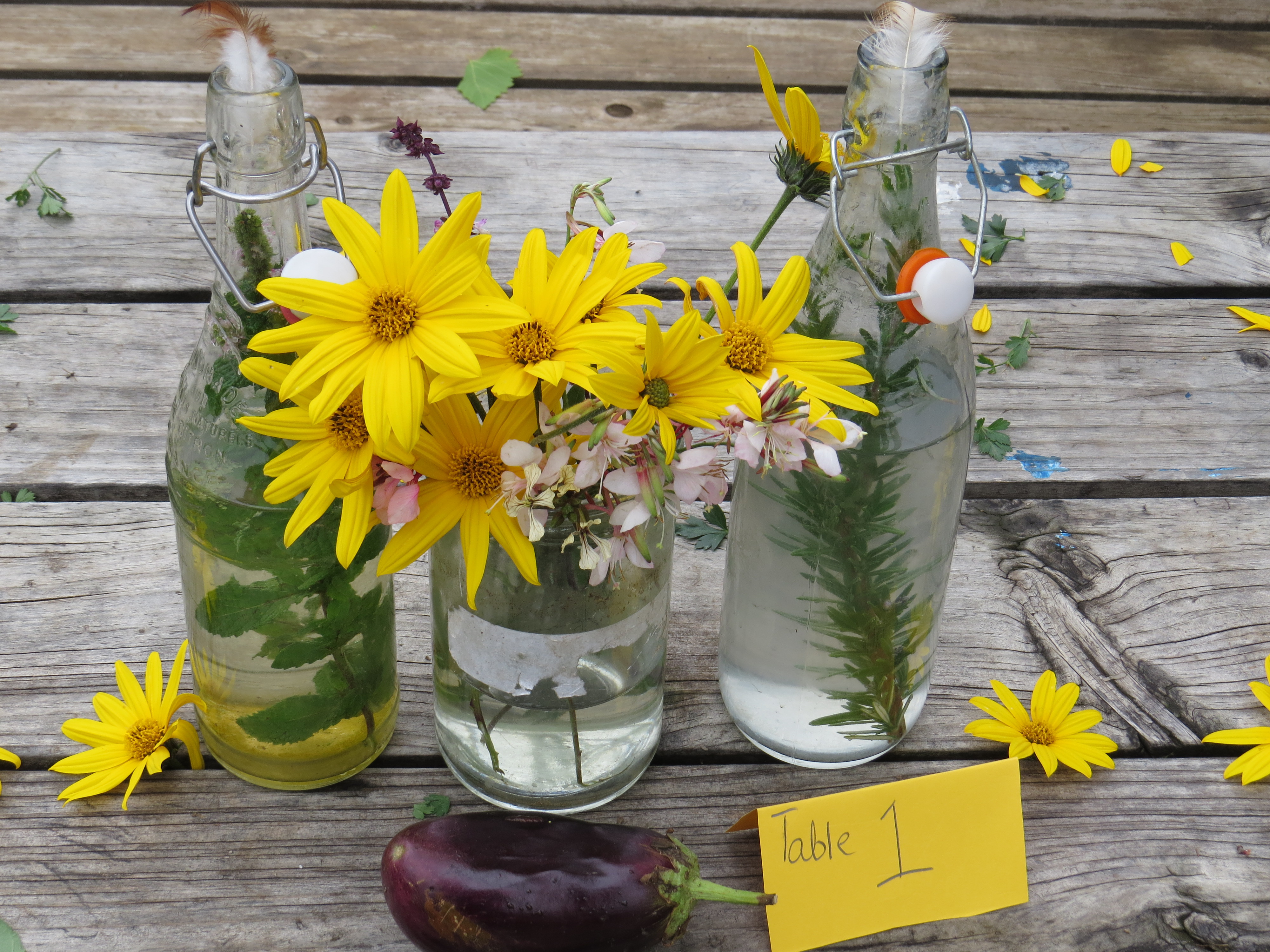
When I was ten, there was a nature table in my classroom. When I was ten, young people spent more than 3 times the hours in the outdoors. Today we are a people disconnected from our roots and blithely unaware of our massive impact on life on earth. We need to act.
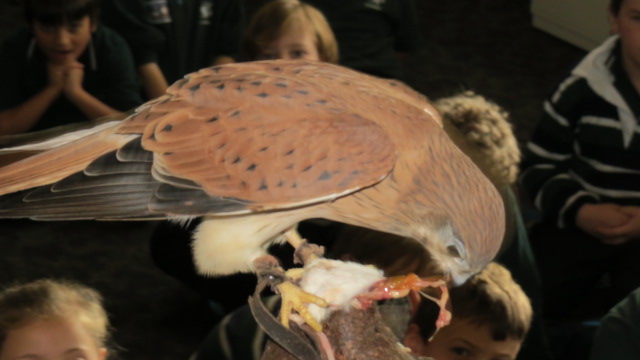
Schools have a vital role to play and we have lost our way in striving to connect young people with the natural world – that which ultimately sustains us all.
 EnviroEdJourney